Ksiądz (priest) – książę/księżniczka (prince, princess) –księżyc (Moon)- książka (book). Why do all of these words with a completely different meanings look so similar in Polish? Ksiądz (currently meaning priest) in old Polish meant ruler/warlord. His son-successor was referred to …

Pluralia tantum (Latin for “plural only”) is a linguistic term for a noun that appears only in the plural form and lacks a singular variant. There are nouns in Polish that appear only in plural form despite having a singular …
Just starting to learn Polish or newly moved to Poland? Take a look at our list of 10 Polish words which you need to know. They will not only help you to survive your first days in Poland but also …
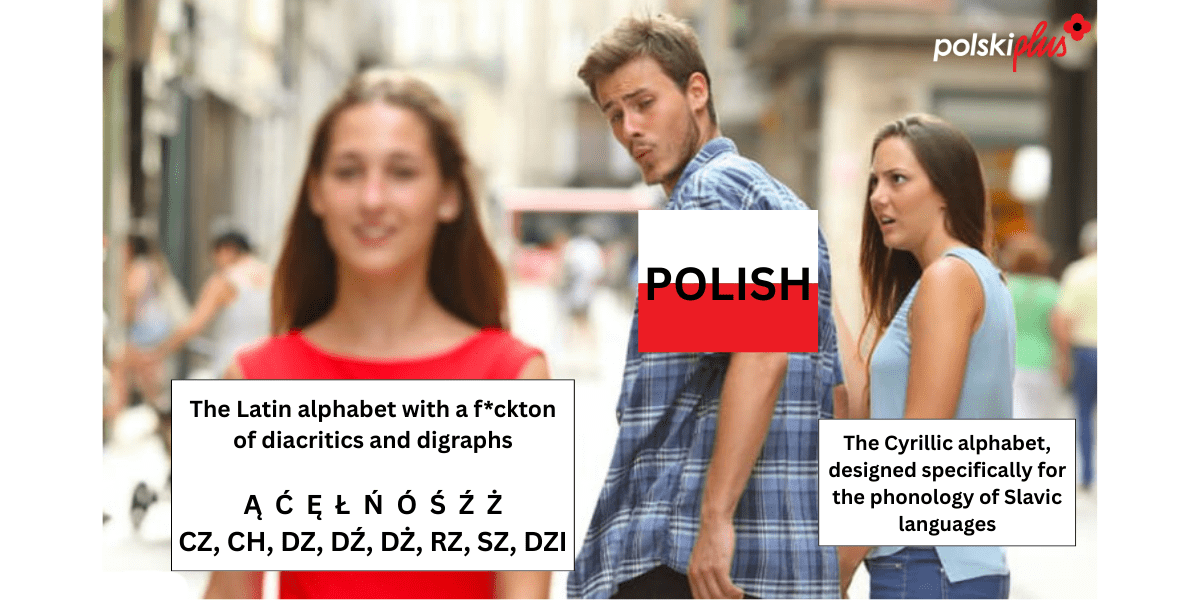
Polish language belongs to the Slavic language family. Particularly for those languages and their specific pronunciation, in the 9th century a Thessalonian monk – Saint Ciril, created the first Slavic alphabet- Glagolitic script. This style …
Did you know that among the glitz and glamour the American film industry, there are a surprising number of stars with deep roots in Poland – some of whom even speak the language? Poland has a rich history of emigration, …
Easter is one of the oldest holidays for Christians, commemorating the resurrection of Jesus from the dead. It’s celebrated on the first Sunday after the first full moon / paschal full moon of spring. This period of the year, was …
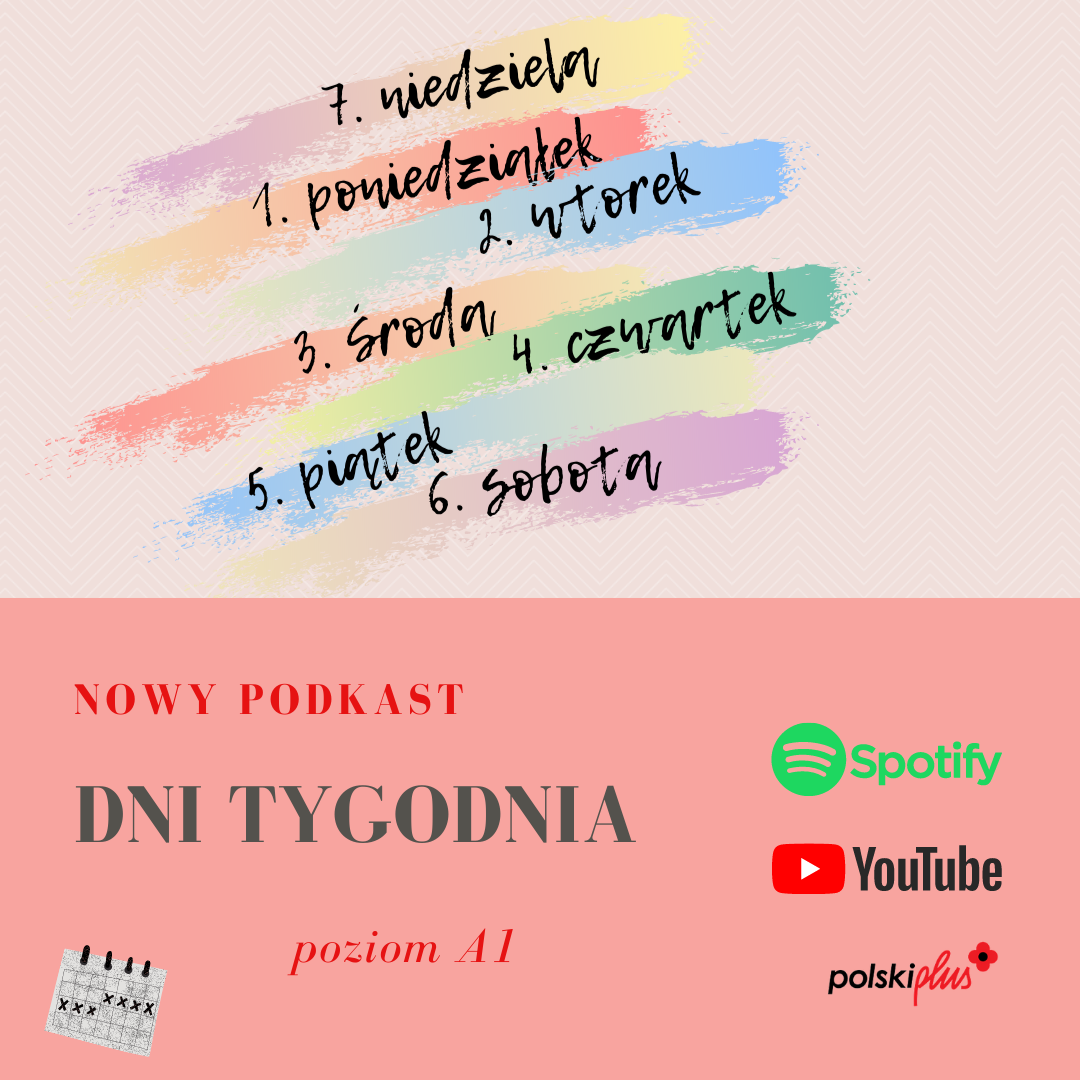
Learn Vocabulary – Days of the Week in Polish No doubt that, it’ll be quite helpful to learn the days of the week in Polish, in order to express yourself in many cases. To make a doctor appointment, set a …
Learn Polish Vocabulary – Pandemia A pandemic is a global epidemic that spreads to more than one continent. Coronavirus disease (COVID-19) is an infectious disease caused by the SARS-CoV-2 virus and it has caused severe social and economic disruption around …